Ditching the Feed: How Creators Are Quietly Building Their Own Kingdoms
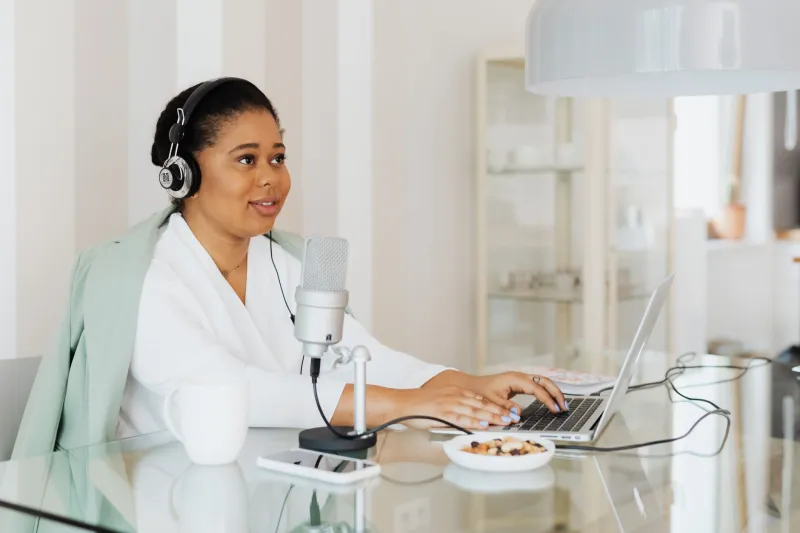
There's a moment every creator knows. You post something. You wait. The numbers trickle in — or they don't — and you have absolutely no idea why. The algorithm decided your fate before breakfast, and you weren't invited to the meeting.
That moment, repeated enough times, is exactly what's pushing a growing number of musicians, comedians, podcasters, and online personalities to do something that would've sounded crazy five years ago: walk away from the big platforms as their primary home and build something on their own terms.
This isn't a niche trend. It's starting to look like a genuine economic migration.
The Algorithm Problem Nobody Wants to Talk About
Here's the uncomfortable truth about social media reach in 2025: posting to your own followers is no longer a guarantee that your followers will actually see what you posted. Organic reach has been declining across major platforms for years. What replaced it? A pay-to-play system dressed up as a discovery engine.
For casual users, that's annoying. For creators who built entire careers on audience trust and consistent communication, it's a business crisis.
A comedian with 400,000 Instagram followers might reach 12,000 of them on a good day. A musician who spent three years building a YouTube subscriber base watches their view counts crater every time the platform tweaks its recommendation logic. The audience is technically there. The connection keeps getting interrupted.
So creators started asking a pretty logical question: what if we just... went somewhere else?
Where They're Actually Going
The answer isn't one place. It's a combination of platforms that prioritize direct relationships over algorithmic curation — and the results are reshaping what the creator economy actually looks like.
Patreon remains the most established option, and its numbers reflect that. The platform now hosts over 250,000 active creators and has paid out billions to its community. The model is simple: fans pay a monthly fee, creators deliver exclusive content, nobody has to beg an algorithm for visibility. For mid-tier creators especially — people with passionate but not massive audiences — it's proven remarkably sustainable.
Discord has quietly become one of the most interesting spaces in the creator world. Originally built for gamers, it's now home to tight-knit fan communities organized around musicians, writers, comedians, and niche content creators of every stripe. The appeal is the intimacy. A Discord server feels like a private clubhouse, not a broadcast channel. Creators can talk directly with their most engaged fans, host live listening sessions, share works-in-progress, and build the kind of loyalty that no sponsored post can manufacture.
Substack has done for writers and podcasters what Patreon did for video creators — given them a direct line to paying subscribers without an editorial gatekeeper deciding what gets amplified. Several prominent journalists and cultural commentators have made very public exits from legacy media to launch Substack newsletters, some pulling in six or seven figures annually.
And then there are fully custom membership sites, built on platforms like Memberful or Ghost, where creators own their audience data outright. No platform can change the rules on them. No algorithm decides who sees the next post. It's the most radical version of the model — and for creators who've been burned badly enough, it's incredibly appealing.
The Economics Are Starting to Make Sense
Here's what makes this migration more than just a philosophical statement: the math is working out.
A creator with 50,000 highly engaged Patreon subscribers at $7 a month is pulling in $350,000 monthly in recurring revenue. Compare that to trying to monetize 2 million YouTube subscribers through ad revenue, brand deals, and the constant content treadmill required to stay visible. The Patreon model wins on stability, even if the raw follower number looks smaller.
This is a fundamental shift in how creators think about value. Reach used to be everything. Now, relationship density — how deeply connected your audience actually is — is emerging as the metric that matters most for long-term sustainability.
Smaller, paying communities also tend to be more forgiving when a creator takes a creative risk, goes on hiatus, or produces something that wouldn't have performed well in a standard feed. That creative freedom has real dollar value, even if it doesn't show up on a follower count.
The Catch (Because There's Always One)
None of this is as simple as it sounds. Building a direct-to-fan community requires a creator to already have an audience willing to follow them somewhere new — which means most people still need social media to reach new fans in the first place. The big platforms haven't lost their power as discovery engines. They've just become a terrible place to actually live.
The emerging playbook looks something like this: use TikTok, Instagram, or YouTube to attract new people, then funnel the most engaged fans into a paid or private community where the real relationship gets built. Social media becomes a top-of-funnel tool rather than the whole operation.
There's also the question of discoverability. When you're operating inside a walled community, you're not going to accidentally blow up. Growth is slower, more intentional. For some creators, that's exactly the point. For others, especially those still chasing mainstream breakout moments, it can feel limiting.
Is This the End of Social Media's Grip on Entertainment?
Probably not the end — but definitely a crack in the foundation.
What's changing is the assumption that social platforms are the only legitimate place for a creator to exist. For a long time, having millions of followers on Instagram or YouTube felt like the goal. Now it's starting to look more like one possible route among several, and not always the most rewarding one.
The creators who are thriving right now tend to be the ones who've stopped optimizing for platform metrics and started optimizing for audience relationships. They're posting less in some places and going deeper in others. They're treating their most loyal fans like members of something, not just passive consumers of content.
At 382361, we've watched a lot of entertainment trends come and go. This one feels different because it's not really about any single platform or format — it's about who holds the power in the creator-to-fan relationship. And right now, that power is slowly, steadily shifting.
The algorithm will keep doing what algorithms do. But more creators than ever are deciding they'd rather build something the algorithm can't reach.