No Audition Required: How TikTok Creators Are Crashing Hollywood's Invite-Only Party

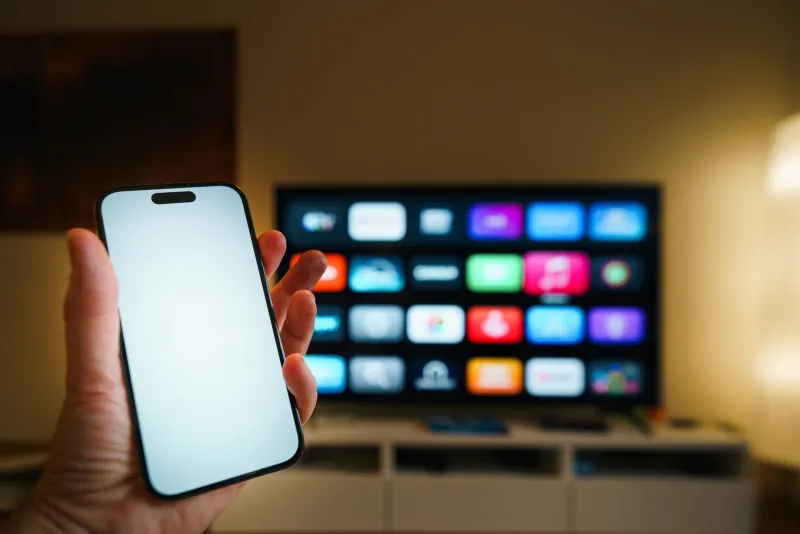
Photo by Photo by Skycraft Studios on Unsplash on Unsplash
There used to be a very specific road to fame. You moved to Los Angeles. You got headshots. You went to cattle calls in fluorescent-lit rooms and hoped a casting director remembered your face. Maybe you got a guest spot on a procedural drama, then a small recurring role, then — if the stars aligned and your agent was on the right email chains — something real.
That road still exists. But in 2025, a significant chunk of the entertainment industry's newest faces never took it. They took a completely different route: straight from a ring light in their childhood bedroom to a studio lot.
The influencer-to-celebrity pipeline isn't new, exactly. But the scale of it in 2025 is something else entirely.
The Numbers Don't Lie
Here's the thing about TikTok stars landing mainstream gigs — it's not a fluke anymore. It's a strategy. Studios, labels, and brand managers have quietly built entire scouting infrastructures around social media metrics. Follower counts, engagement rates, comment sentiment, and virality patterns are now legitimate factors in casting conversations and record deal negotiations.
When a creator hits a certain threshold — not just in raw numbers, but in the kind of attention they're pulling — they become a pre-validated product. Hollywood has always been risk-averse. What social media offers is proof of concept before a single dollar gets spent on development.
A creator with 8 million followers and a loyal, engaged audience isn't just popular. From a studio's perspective, they're a built-in marketing campaign. A guaranteed opening weekend bump. A reason to greenlight something that might otherwise sit in development purgatory for four years.
Case Studies Worth Paying Attention To
You've probably already watched this happen without fully clocking it. Creators who built audiences doing comedic skits, beauty tutorials, or just being relentlessly, charismatically themselves online have been steadily crossing over into film, television, and music for a few years now — but 2024 and 2025 accelerated the timeline dramatically.
The pattern tends to go like this: a creator has a moment that breaks out of their usual audience and into the broader cultural conversation. A brand deal follows. Then a cameo. Then a supporting role. Then, sometimes, a lead. The gap between "went viral" and "got cast" has compressed from years to months in some cases.
Music has seen the same compression. Short-form audio clips have historically been where songs go to die a slow, meme-ified death — but increasingly, they're where careers launch. A sound that gets used in 400,000 videos translates directly to streaming numbers, and streaming numbers translate directly to label interest. Several artists who released their first official singles in 2025 had already accumulated more listener data than most mid-tier signed artists had in their entire back catalogs.
What the Old Guard Is Actually Doing About It
Here's where it gets interesting: the traditional industry didn't fight this. It absorbed it.
Major talent agencies have social media divisions now. Not as a side project — as a core business unit. CAA, WME, and their competitors are actively signing creators who have never set foot on a set, not to transition them away from social media, but to leverage their existing platforms into hybrid careers.
Casting directors have started treating a creator's comment section like an audition tape. The way an audience responds to someone — whether people feel like they know them, whether the parasocial connection is strong enough — is a form of screen presence data that a traditional audition simply can't replicate.
Netflix, Hulu, and the other major streaming platforms have been particularly aggressive about this. They're not just casting influencers in existing projects. They're developing projects around specific creators' existing personas, essentially building a show or film to fit a pre-existing audience relationship rather than the other way around.
The Catch (Because There's Always a Catch)
None of this is as frictionless as it sounds from the outside. A lot of creators who've made the jump have found that the skills that built their online following don't automatically translate to a film set or a recording studio. Performing for a phone camera at 2 a.m. in your own space is a fundamentally different discipline than hitting marks under studio lighting with a director calling cuts.
There's also the question of longevity. Hollywood has historically been brutal about novelty — what's fresh today becomes oversaturated fast. Several creators who landed high-profile deals in 2022 and 2023 have already cycled back to purely online careers, which isn't a failure exactly, but it does complicate the narrative that social media is a permanent shortcut to traditional stardom.
And for every creator who successfully crosses over, there are hundreds more who have the numbers but not the infrastructure — no management, no legal representation, no one in their corner explaining what a backend deal actually means before they sign one.
What This Means If You're Watching From the Outside
For anyone who grew up wanting to be in entertainment and watched the old system function like a locked room they couldn't get into, the current moment is genuinely different. The gatekeepers haven't disappeared — but they've moved. The question used to be who do you know? Now it's also who already knows you?
That's a meaningful shift. An audience you built yourself, on your own terms, is a form of leverage that simply didn't exist twenty years ago. The platforms may be owned by massive corporations, the algorithms may be opaque and frustrating, and the whole thing may feel like building a house on rented land — but the basic premise holds. Proving that people want to watch you, before anyone in a position to pay you has decided to care, is no longer an impossible ask.
Hollywood didn't suddenly become generous. It became practical. And for now, those two things are producing some of the same results.
Whether that lasts — whether the pipeline stays open or whether the industry finds new ways to filter and control who gets through — is probably the more interesting question. But in 2025, the door is cracked open in a way it wasn't before. Plenty of people are walking through it.