Dead Apps and Dusty Subscriptions: What Your Phone's Forgotten Folder Says About You
The Graveyard Is Real, and It Lives on Your Phone
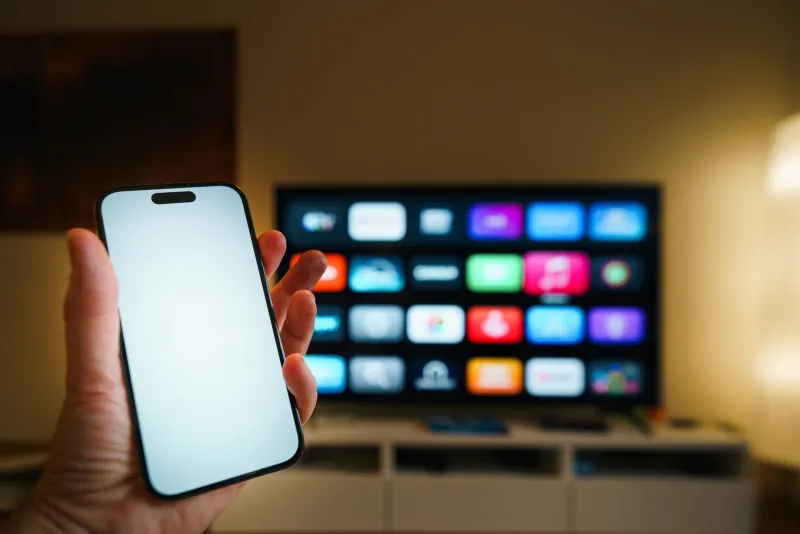
Scroll far enough to the right on your home screen and you'll find them. Maybe it's Peacock, still installed from that one Sunday you swore you were going to watch that critically acclaimed limited series everyone was talking about at work. Maybe it's a podcast app you set up with genuine enthusiasm, loaded with subscriptions you've never actually played. Or maybe it's some niche streaming service you signed up for during a free trial and forgot to cancel — which, at this point, has probably billed you quietly for eleven months.
We all have a digital graveyard. And if you sit with it long enough, it starts to feel less like clutter and more like a confession.
The average American household now juggles somewhere between seven and twelve streaming subscriptions at any given time, depending on which survey you trust. But subscription counts don't tell you much about actual engagement. What's more interesting — and honestly more telling — is the gap between what people sign up for and what they genuinely return to. That gap is enormous, and it's growing.
Why We Download in the First Place
Let's be honest about the psychology here. Most app downloads happen in a moment of cultural pressure, not genuine desire. A show trends on social media for four days straight. Your coworker mentions it twice in one week. A celebrity you follow posts about it. Suddenly you're not just curious — you feel like you're missing out, and that feeling is uncomfortable enough to make you reach for the App Store.
So you download. You might even open the app. You scroll through the interface, maybe add a few things to your watchlist, and then close it because you're tired and it's a Tuesday night and the show you already know you love is right there waiting on a different app.
The new app never really had a chance. It was downloaded to relieve the anxiety of missing out, not because you actually wanted to watch anything on it. The moment the social buzz faded — usually within a week or two — so did your motivation to open it again.
This pattern plays out millions of times a day across the country, and the entertainment industry knows it. Streaming platforms spend enormous sums engineering that initial surge of FOMO-driven signups. Keeping people around is a different, harder problem.
What the Abandonment Patterns Actually Reveal
Here's where it gets interesting. When you look at which services people abandon fastest versus which ones they stick with, a pretty clear picture emerges about what constitutes genuine cultural staying power versus manufactured buzz.
Services built around a single piece of content — one show, one event, one franchise moment — tend to see steep drop-offs once that anchor content wraps up. People sign up for the thing, finish the thing, and then look around at the rest of the library like they've just woken up in a stranger's house. Nothing else feels like it belongs to them. So they leave.
Contrast that with platforms that have managed to build what you might call a habit loop — a rotating mix of content that keeps nudging you back even when you're not sure what you want. These services don't necessarily have the flashiest individual titles, but they've figured out how to make themselves feel like a natural part of your evening routine. You don't download them for a specific reason. You just... open them.
The apps that survive long-term aren't always the ones with the most prestige. They're the ones that figured out how to feel like home.
The Overhyped vs. The Actually Good
There's a reliable formula for identifying overhyped entertainment: massive pre-release marketing, wall-to-wall social media coverage during the first week, and then a curious silence by week three. These are the projects that generate downloads without generating loyalty.
The shows and services that actually stick tend to grow more slowly. Word of mouth takes longer to build but lasts longer too. Someone recommends something to a friend, not because an algorithm served them a trailer, but because they genuinely couldn't stop thinking about it. That kind of organic enthusiasm is rarer and more durable than any marketing campaign.
Your forgotten app folder is basically a museum of hype cycles. Every icon in there represents a moment when marketing did its job perfectly — and then content failed to deliver on the implied promise. Or maybe the content was fine, but it wasn't your thing, and you only realized that after you'd already signed up.
The Subscription Trap Nobody Talks About
One of the sneakier dynamics in all of this is what happens when people forget they're still paying for something they don't use. Services have become genuinely good at making the cancellation process just inconvenient enough that inertia wins. You know you should cancel. You just haven't gotten around to it. And somewhere in a quarterly earnings call, an executive is counting you as an active subscriber.
This creates a weird situation where a service's reported subscriber numbers can look healthy even when actual engagement is anemic. Downloads and sign-ups are easy to measure. Genuine enthusiasm is not.
For consumers, the practical upshot is worth acknowledging: doing a periodic audit of your subscriptions isn't just a budgeting exercise. It's actually a pretty clarifying exercise in self-knowledge. Which services do you open without thinking about it? Which ones require you to consciously remind yourself they exist? The answer tells you something real about where your actual taste lives versus where you wish your taste lived.
What We Actually Watch vs. What We Tell People We Watch
There's a persistent gap between what people say they watch and what they actually put on at the end of a long day. The prestige drama with the difficult subject matter and the demanding runtime stays on the watchlist. The comfort rewatch goes on the TV.
This isn't a character flaw. It's human. We have aspirational media identities — the kind of viewer we'd like to be — and then we have our real viewing habits, shaped by fatigue, mood, and the simple pleasure of familiar things. The entertainment industry has gotten very good at selling to our aspirational selves. Our actual selves tend to make different choices when nobody's watching.
Your phone's forgotten app folder isn't a list of your failures. It's a pretty honest record of the distance between who you thought you wanted to be on a Tuesday night in February and who you actually were. And honestly? There's something kind of freeing about that.
Delete a few of those apps. Cancel the subscriptions you haven't touched in three months. What you're left with is a cleaner picture of what entertainment actually means to you — not what the algorithm decided you should care about, but what you genuinely come back to.
That's worth knowing.