Offline and Thriving: What Americans Are Actually Doing With Their Free Time in 2025
Something quiet is happening, and it's happening everywhere at once.
Not a protest, not a boycott, not a trend that some influencer kicked off from a ring-lit bedroom. Just people — regular Americans — putting down the remote, closing the laptop, and doing something else entirely. The numbers are hard to ignore. Streaming hours per household have dipped for the third consecutive quarter. Board game sales are up. Public library card registrations hit a five-year high. Seed packets sold out in February at major retailers across the Midwest.
So what exactly is going on?
The Slow Burn of Screen Fatigue
Dr. Priya Mehta, a behavioral psychologist based in Chicago who studies leisure habits, puts it bluntly: "We overfed people. Not just content — stimulation. The brain eventually starts protecting itself."
Her research, which tracked leisure behavior in 1,200 adults across the US from 2022 to 2025, found that people who reported high levels of passive screen consumption — meaning they watched without really choosing what to watch — were significantly more likely to describe their free time as "unsatisfying" or "draining" by 2024. The irony isn't lost on anyone. You'd think more entertainment options would equal more enjoyment. It didn't work out that way.
What her subjects started doing instead is where it gets interesting.
The Activities Actually Gaining Ground
Let's get specific, because the headlines about "people going outside more" don't really tell the whole story.
Gardening, and we mean actual gardening. Not aesthetic container gardens for Instagram. Vegetable plots, raised beds, composting setups. The National Gardening Association reported a 31% increase in first-time gardeners in 2024, with the trend skewing younger than anyone expected — the largest growth demographic being adults aged 25 to 38. People are growing tomatoes and feeling weirdly proud about it, and honestly, that tracks.
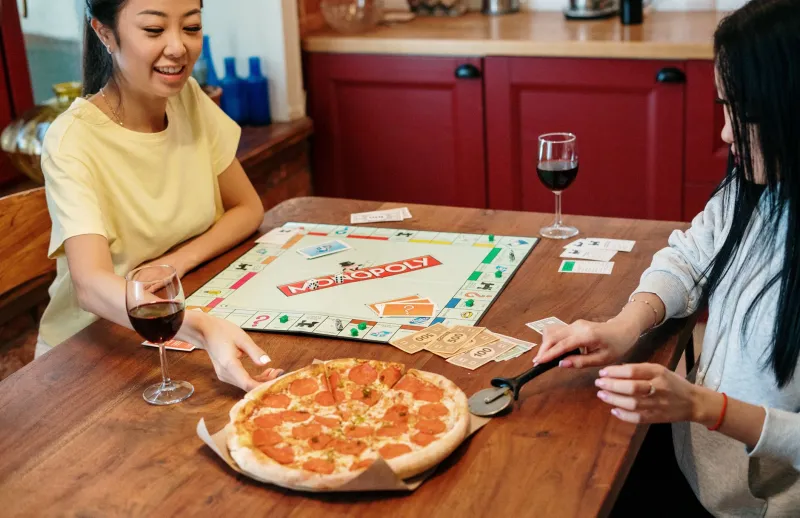
Tabletop gaming is having a full-blown moment. Not video games. Actual cardboard-and-plastic board games. Hobby game stores, which most people assumed were dying out, have seen consistent foot traffic increases. Games like Wingspan, Cascadia, and dozens of smaller titles have developed devoted communities in cities like Austin, Denver, and Nashville. The social aspect is a big part of it — you can't exactly pause a board game to scroll your phone without your friends noticing.
Physical books are back, and libraries are capitalizing. E-book sales have been flat for years, but physical book sales have climbed steadily. More telling is the library card data. Systems in Los Angeles, Philadelphia, and Minneapolis all reported notable upticks in new registrations, particularly among people in their 30s and 40s. Library programs — book clubs, author talks, maker spaces — are filling up in ways that would have seemed impossible in 2019.
Outdoor recreation, specifically the unglamorous kind. Not luxury wellness retreats. Fishing licenses are being renewed. State park day passes are selling out on weekends. Hiking trail counters in places like the Appalachians and the Ozarks are logging visitor numbers that rival pandemic-era highs — except this time, people seem to be choosing it rather than defaulting to it.
Is This Actually a Cultural Shift?
Here's the honest answer: probably yes, but with a big asterisk.
Dr. Marcus Webb, a media consumption researcher at a university in Ohio, is cautious about declaring a revolution. "We've seen backlash cycles before," he says. "People burned out on cable in the early 2000s, then streaming came along and pulled them back. The question is whether this time the alternative activities are compelling enough to hold attention long-term, or whether the next shiny platform just resets everything."
His point is fair. The entertainment industry isn't standing still. Platforms are experimenting with social features, live events, and interactive formats that try to replicate exactly the communal feeling people say they're chasing when they pick up a board game or join a book club. Whether that works — whether you can manufacture genuine human connection inside an app — is still an open question.
But there are signs that something deeper is shifting. Survey data from multiple independent research groups in early 2025 consistently shows that Americans are placing higher value on activities that produce something tangible — a finished book, a harvested vegetable, a completed puzzle, a friendship maintained across a game table. Passive consumption, for a meaningful chunk of the population, has started to feel like a bad trade.
The 382361 Take: What This Means for How You Spend Your Time
Look, we cover entertainment for a living. We're not here to tell you that watching TV is bad or that you need to immediately go plant a garden to be a fulfilled human being. That's not the point.
The point is that the menu of what counts as "fun" is genuinely expanding in ways that feel less like trend pieces and more like a real recalibration. People are remembering — or discovering for the first time — that entertainment doesn't have to mean consumption. Making something, doing something, being somewhere with other people: these things scratch an itch that no algorithm has ever been able to fully identify, let alone satisfy.
If you're one of the people who has quietly started spending less time in front of screens and more time doing literally anything else, you're not alone. You're not even unusual anymore. You're part of something that's big enough to show up in retail data, library statistics, and park visitor logs all at once.
A Few Entry Points If You're Curious
Not sure where to start if you want to mix things up? Here are some of the most accessible on-ramps based on what's actually trending right now:
- Your local library's events calendar — seriously, check it. Most people have no idea what's on offer.
- A beginner board game — Ticket to Ride or Catan are reliable starting points that don't require a PhD to understand.
- A state park annual pass — most states offer them for under $50, and the math works out fast if you use it even a handful of times.
- A seed starter kit — the learning curve is lower than you think, and the payoff is absurdly satisfying.
- A used bookstore — browse without a list. Buy something based on the cover. It works more often than you'd expect.
None of this requires quitting streaming cold turkey or throwing your phone into a river. It's just about remembering that free time is actually yours to spend, not just fill.