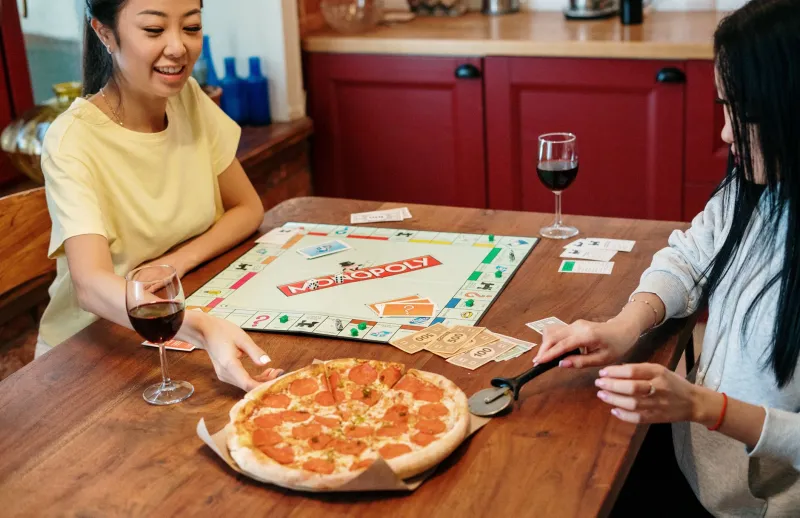
The Great Unplug: Why Board Game Cafés and Puzzle Nights Are Taking Over Small-Town America
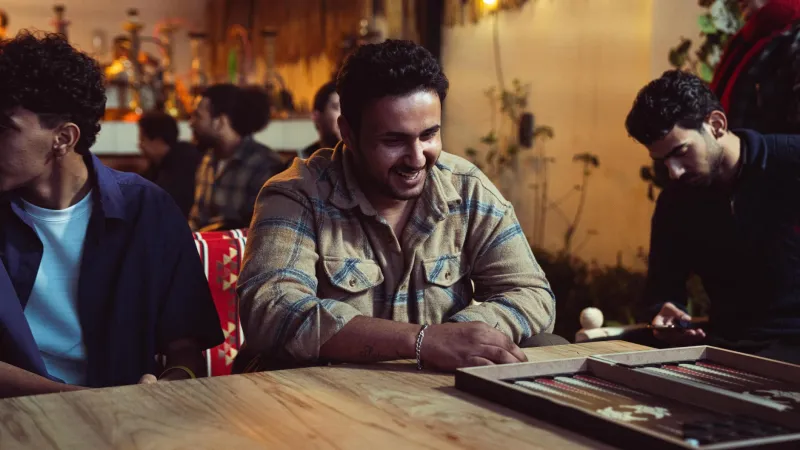
Somewhere between the fourth streaming service price hike and the eleventh night of 'nothing looks good to watch,' a funny thing happened in living rooms across America: somebody pulled out a board game.
And nobody rolled their eyes. They actually played.
Walk down Main Street in almost any mid-sized American town these days and you'll spot it — a storefront with a hand-painted sign, shelves lined with boxes of cardboard and dice, and a back room full of people laughing over a table. The analog entertainment revival isn't a niche thing anymore. It's a full-blown movement, and it's reshaping how Americans spend their evenings.
The Numbers Don't Lie
The tabletop industry has quietly become an economic powerhouse. The global board game market has been climbing steadily for a decade, and the U.S. accounts for a huge chunk of it. Crowdfunding platforms like Kickstarter routinely raise tens of millions of dollars a year for tabletop projects — far outpacing video game campaigns — and the number of new board games released annually has ballooned into the thousands.
Jigsaw puzzles tell an even wilder story. Sales that were expected to fade after the pandemic surge instead kept growing. Puzzle clubs have popped up in libraries, coffee shops, and community centers from Portland to Pittsburgh, and competitive speed-puzzling — yes, that's a real thing — now draws crowds and sponsorships.
Even the big retailers have noticed. Target and Walmart have expanded their board game aisles, and specialty game stores, once written off as relics, are opening new locations instead of closing old ones.
Game Cafés: The New Third Place
If you haven't been to a board game café yet, here's the concept: you show up, pay a small cover fee (usually five to ten bucks), and get access to a library of hundreds of games. Staff members — often called 'game gurus' — recommend something based on your group's mood and teach you the rules. You order snacks, you play, you linger.
These places have become the new town square. In an era when third places — the spots that aren't home and aren't work — keep disappearing, game cafés offer something streaming never could: actual human beings, in the same room, reacting to the same ridiculous dice roll.
Cities like Chicago, Austin, and Seattle have thriving scenes, but the trend has gone decidedly suburban and small-town too. Family-owned game stores in Ohio, Georgia, and Montana report hosting weekly events that regularly fill their back rooms — painting miniatures one night, strategy games the next, and family-friendly open play on weekends.
Why Now?
A few forces are converging:
- Screen fatigue is real. After years of doom-scrolling and algorithm-fed binges, a lot of Americans are hungry for entertainment that ends when you decide it ends — not when the autoplay gives up on you.
- Board games got good. The modern design renaissance means today's games are nothing like the monopoly-induced grudges of your childhood. Titles like Catan, Wingspan, and Azul are elegant, social, and learnable in under fifteen minutes.
- Loneliness became a national conversation. With the U.S. Surgeon General sounding the alarm on social isolation, people are actively looking for structured, low-pressure ways to connect. A game night gives you a reason to gather that doesn't require small talk about the weather.
- It's cheap. In a year when a family movie outing can easily top $60, a $40 board game pays for itself in two or three nights.
The Puzzle People
Don't sleep on the jigsaw crowd, either. Puzzle swaps — where enthusiasts trade completed puzzles instead of buying new ones — have become fixtures at libraries and community centers. Some cafés run 'puzzle happy hours,' leaving half-finished jigsaws on communal tables for anyone to add a few pieces.
There's even a meditative angle that fans swear by. Psychologists have long noted that puzzle-solving produces a calm, focused state similar to flow — a welcome contrast to the fragmented attention that constant notifications demand.
How to Start Your Own Night
Convinced? Starting a game night is easier than you'd think:
- Pick a regular date. Consistency beats spontaneity. First Tuesday of the month, every month — that's the trick.
- Start with gateway games. Ticket to Ride, Codenames, and Sushi Go! are crowd-pleasers that take minutes to learn.
- Keep phones in a basket. Make it a rule. It sounds cheesy until you try it — then it feels like a superpower.
- Snacks are non-negotiable. This is science, probably.
- Visit your local game store. The folks behind the counter live for recommendations, and most host open game nights where you can show up solo and get matched with a table.
The Bottom Line
The analog renaissance isn't about rejecting technology — it's about choosing. Americans haven't stopped streaming; they've just stopped pretending it's the only option. And when the choice is between another night of half-watching a show you don't care about or arguing with your brother-in-law over a trading route in Catan, more and more of us are picking the dice.
The screens will be there tomorrow. The dice are on the table tonight.